


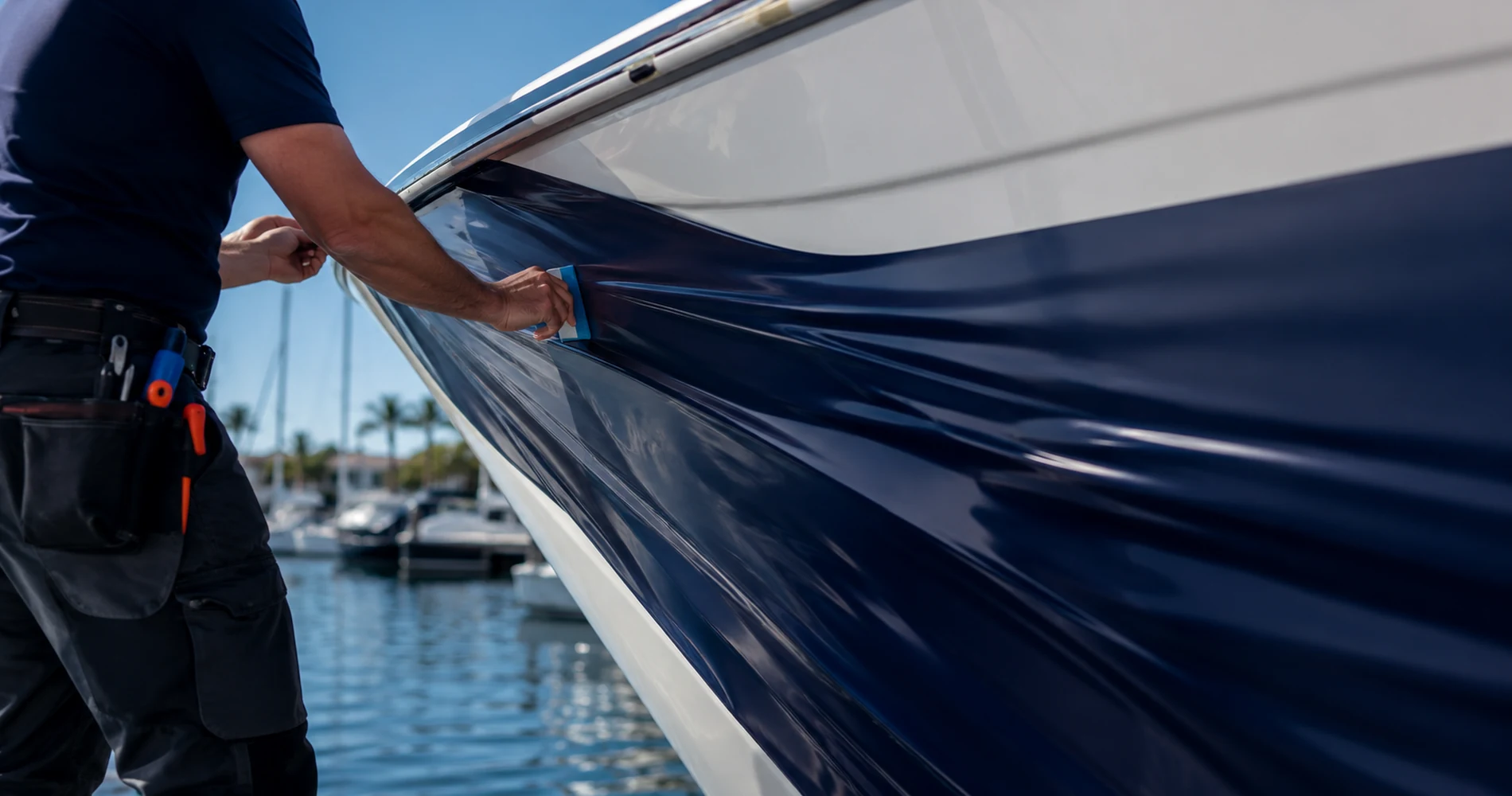
Exterior Yacht Wrapping: Style and Protection for the Hull
Exterior yacht wrapping is one of the most visible upgrades a vessel can receive. The hull is the first part people notice at the marina, during a charter handover or when the yacht arrives at a destination. A tired or outdated exterior can make even a well-maintained vessel look older than it is. With exterior yacht wrapping, owners can refresh the look of the yacht, protect selected surfaces and create a finish that reflects the character of the vessel.
Why the Hull Needs Proper Preparation
The process begins with the surface. Before installation, the hull must be assessed for oxidation, wax, scratches, repairs, contamination and old coatings. The wrap will only look as good as the foundation below it. If the surface is dull, uneven or poorly prepared, the final finish may show imperfections. Professional installers usually clean, degrease and prepare the area carefully, then plan the panel layout so the film follows the shape of the yacht with minimal visible joins.
Material selection is essential. Exterior marine wrapping needs durable films that can handle sunlight, saltwater and movement. Premium cast vinyl is often preferred because it conforms better to curves and complex shapes. Depending on the desired look, the owner may choose gloss, satin, matte, metallic, carbon-inspired or textured finishes. A refined Yacht Wrap should not fight against the design of the vessel; it should enhance the yacht’s lines and look intentional from every angle.
Wrapping Instead of Repainting
A major advantage of wrapping over repainting is flexibility. Repainting can involve long downtime, more invasive preparation and higher disruption. Wrapping can often be completed faster, depending on vessel size and complexity. It also allows future colour changes or design updates. If a yacht owner wants a seasonal visual change, charter branding or a more contemporary colour scheme, wrapping is a practical route without permanently changing the original paint or gelcoat.
Exterior wrapping can also support protection. It helps reduce direct exposure of the underlying surface to UV light, light scuffs and environmental contamination. On its own, vinyl wrap is not designed for the same impact resistance as dedicated paint protection film. That is why high-risk areas can be combined with Marine PPF for additional defence, especially where fenders, ropes, tender traffic and boarding activity increase the chance of marks.
Installation Details That Matter
The installation stage requires patience. Large panels must be positioned accurately, tensioned correctly and finished with clean edges. Heat may be used to conform the film around curves, but too much heat or poor technique can weaken the material. Detail areas around vents, rails, windows and fittings require experience because these are often where poor installations fail first. A premium project should look smooth close up, not only from a distance.
Maintenance after wrapping is simple but important. The yacht should be washed with mild products, soft cloths and non-abrasive techniques. Pressure washing should be used with care around edges. Harsh solvents, aggressive polish and incorrect waxes should be avoided unless the film manufacturer allows them. Good maintenance helps the surface keep its colour, clarity and finish for longer.
For owners who want a stronger visual identity, exterior wrapping is a powerful solution. It can make a classic yacht feel modern, a charter yacht look more premium or a private vessel feel more personal. The best results come from matching design, materials and installation to the yacht’s real conditions. To plan the right approach, review Exterior Yacht Wrapping and speak with the team through the Contact page before choosing colours and finishes.